October 29, 2026
Stand at the end of a busy pier for ten minutes and you will see the same scene most visitors miss. A blunt little boat with a high cabin chugs past a gleaming white ferry, a schooner glides by with two masts tipped back like antennae, and a tug no longer than a bus pushes a barge four times its size. At first they blur into one another. Then, slowly, the differences start to speak.
Boats are shaped by work. Every curve, every cabin position, every mast and crane exists because someone needed to haul nets, carry cars, catch wind, or shove something heavy across the water. Once you know what to look for, you can usually guess a vessel's job from the quay before you read a single letter on its hull. Here is how to start.
Read the Hull Before Anything Else
The hull is the boat's argument with the water, and it tells you how the vessel is meant to move. Look at the bottom edge where it meets the sea, then trace the line forward to the bow.
A displacement hull sits low and full, often round-bottomed, pushing water aside rather than climbing over it. These are the slow, steady workers: trawlers, tugs, heavy ferries. A planing hull looks different at rest, with flatter sections aft, a sharper chine where the side meets the bottom, and a bow that seems built to lift. Pilot boats, fast passenger launches, and sport boats fall here.
Then check the ends. A bow that rises steeply and flares outward is designed to throw spray away from a working deck. A plumb bow drops almost straight down, which buys extra waterline length on modern yachts and fast ferries. At the stern, a wide flat transom usually means a working deck, a swim platform, or engines hung off the back. A canoe stern or a double-ender tapers to a point, and on a ferry that symmetry is a strong hint the boat is meant to run in either direction.
Finally, note the freeboard, the height of the hull above the waterline. Tall sides mean the boat expects weight on deck, or crowds, or weather. Low sides suggest speed and light loads.
Fishing Boats: Aft Wheelhouse and a Deck That Works
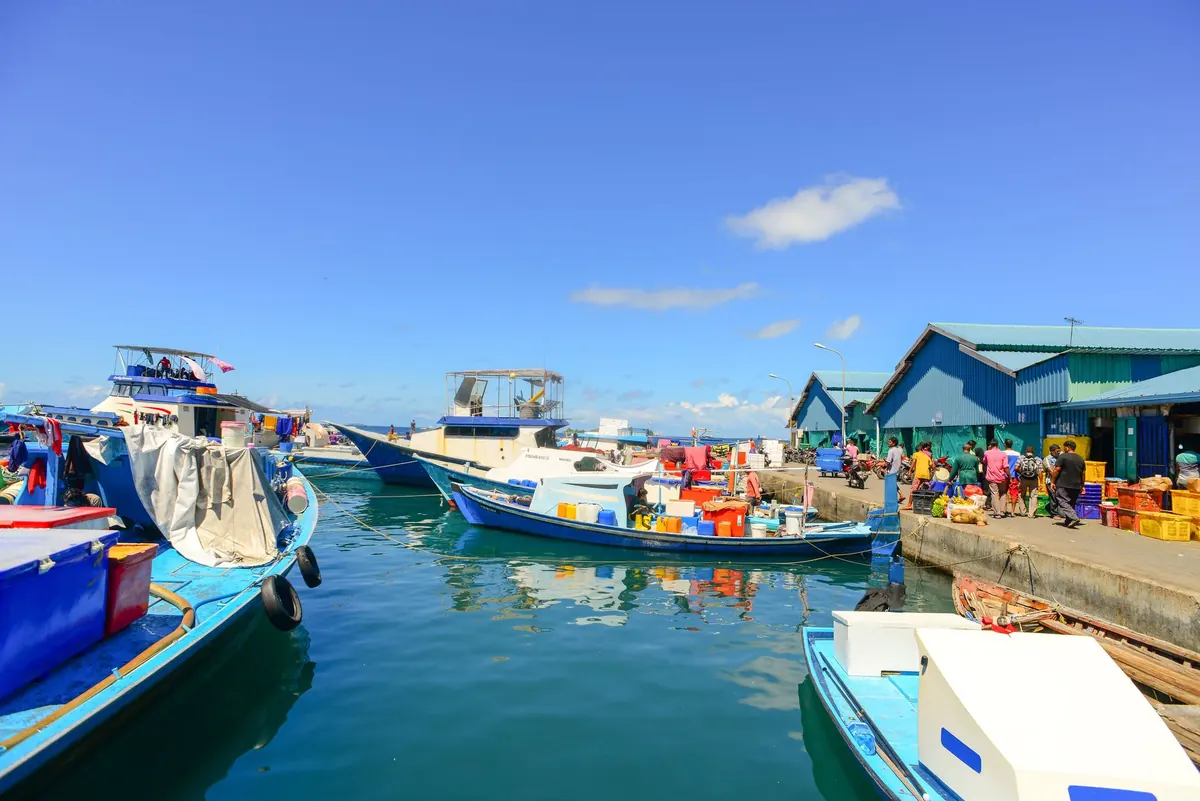
Fishing boats are built around the catch, so the working space comes first and the crew's comfort fits wherever it can. On a typical trawler, the wheelhouse sits aft or well back from the bow, leaving a long open foredeck for nets, winches, and a gantry arching over the stern. Outriggers or derricks often stick up at angles like insect legs.
Watch for these signatures:
- Gear aloft. A-frame gantries, net drums, and clutter on the stern are almost always fishing gear.
- A high, blocky wheelhouse placed aft, sometimes with a small shelter deck behind it.
- Heavy rubbing strakes and a workboat finish — function over polish.
- A low, open transom on trawlers and seiners, where the net comes aboard.
Regional styles vary, and they are worth learning. The Down East lobster boat has a graceful sheer line, a high bow, a low stern, and a wheelhouse set slightly aft of center. Purse seiners carry a skiff on the stern and a ramp for hauling the net. Longliners show a row of roller gear along the rail. Once you can spot a working deck, you can usually tell a fishing boat from a pleasure cruiser dressed up to look like one.
Ferries: Wide Beam, Tall Sides, and Windows Everywhere
Ferries carry people and vehicles, and their shape is a direct answer to that task. Start with the beam: most ferries are noticeably wider than a boat of the same length would normally be, because width means deck space and stability.
Look for a long, straight side profile with rows of large windows, a car deck running the full length, and ramps or a visor at the bow. Many short-haul ferries are double-ended, with a bridge and a ramp at each end so they never have to turn around. On fast passenger ferries, you may see two hulls joined by a deck — a catamaran — which gives a very wide, boxy silhouette and a dry, level ride.
A useful trick: count the life rafts and look for the passenger signage. A boat with a big open deck, heavy railings, and evacuation gear on the roof is built for crowds, not cargo.
Sailboats: Follow the Mast Upward
Sailboats are easiest of all, because the rig is hard to hide. Even under engine power with the sails furled, a mast and rigging announce the boat's type. Count the masts and note where they stand.
Common rigs at a glance
- Sloop: one mast, set roughly amidships, the most common sight in any marina.
- Ketch: two masts, with the shorter mizzen stepped forward of the rudder post.
- Yawl: two masts, with a small mizzen stepped aft of the rudder post, often right at the stern.
- Schooner: two or more masts where the aft mast is the taller one — the reverse of a ketch's look.
- Catamaran: two hulls, wide deck, mast centered, usually a lot of trampoline or deck space forward.
Below the waterline, sailboats carry keels: a long full keel running most of the hull, a fin keel with a bulb at the bottom, or a lifting centerboard on a trailer-sailer. Hull shape matters too. Cruising sailboats tend to be full and comfortable; racing boats look narrow, stripped, and purposeful.
Workboats and Tugs: Short, Tall, and Padded
Workboats have no reason to look graceful, and that is exactly how you spot them. A harbor tug is typically short for its bulk, with a deep draft, a broad round hull, and a wheelhouse perched high up for a clear view over whatever it is pushing. The giveaway details are the heavy rubber fenders along the sides, the towing winch or bitt aft, and often a fire monitor on the roof.
Other workboats each have their own shape language. Pilot boats are sleek and fast, usually painted in a bright high-visibility color, with a compact cabin and a boarding platform. Crew transfer vessels have a wide, flat working deck and lots of fender space for coming alongside wind turbines. Barges are simply boxes, flat-bottomed and blunt, with no bow shape at all — if it has no visible engine and something is pushing it, you are looking at a barge.
A Five-Second Checklist for the Quay
When a boat comes into view and you want to identify it quickly, run through this in order:
- Check the hull: displacement or planing? Low or high freeboard?
- Look at the ends: raked bow, plumb bow, square transom, or double-ender?
- Find the cabin: forward, amidships, or aft?
- Scan upward: masts, cranes, gantries, outriggers, or exhaust stacks?
- Read the deck: open working space, rows of windows, or passenger railings?
- Note the finish: workboat rough, ferry clean, yacht polished.
How to Get Better at This
Pick one harbor bench and go back to it at different times of day, when different boats move. Bring binoculars if you have them and look at details rather than the whole vessel: the shape of the bow wave at speed, the position of the wheelhouse, whether crew are standing on an open deck or sitting behind glass. Photograph what you see and compare it later with boat-spotting guides or the harbor's own vessel listings.
Talk to people on the dock, too. Fishermen, ferry crews, and marina staff are usually happy to explain what a boat does, and one conversation will teach you more than a dozen guesses. Above all, keep asking the question that unlocks every harbor: what job was this shape built for? Answer that, and the boat's name is often the least interesting thing about it.
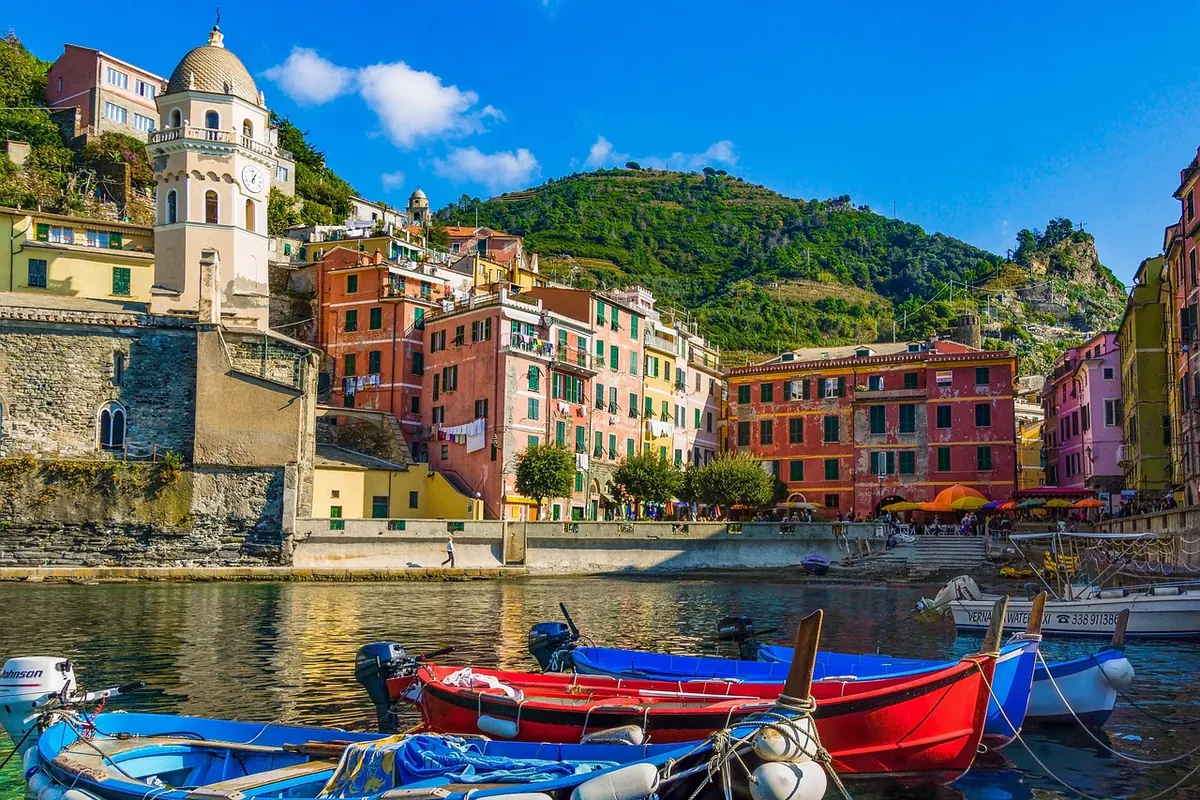
Photo: Kookay / Pixabay