October 13, 2026
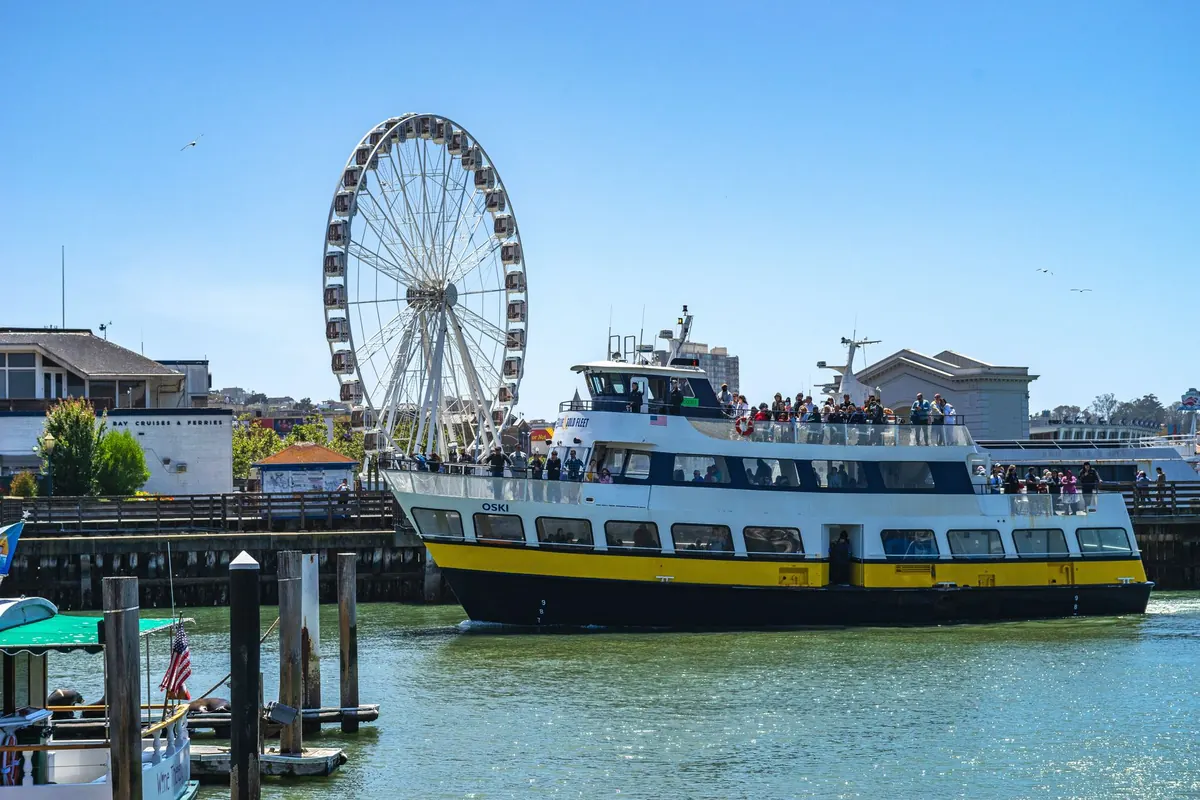
Two boats leave the same quay most mornings. One is a public ferry with a timetable screwed to the ticket window and a row of hard plastic seats; the other is a guided tour boat with a microphone, an open upper deck and a route drawn to make you look. Both sell you the harbor. What you actually get for your hour and your fare is not the same thing, and the difference matters more than most visitors expect.
The Same Water, Two Different Jobs
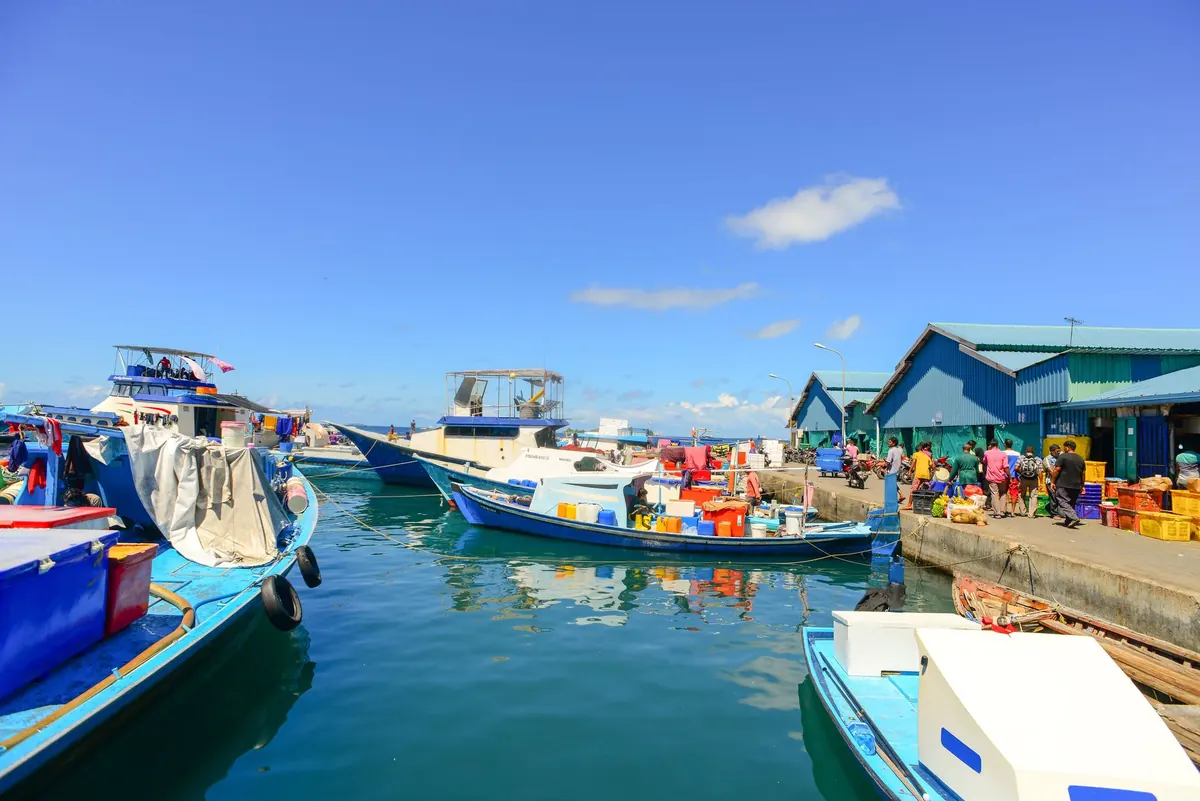
A ferry is transport that happens to be scenic. It runs because people need to reach the far bank, the shipyard, the island suburb, the school on the other side. The captain is not choosing the prettiest line through the basin; he is choosing the one that keeps the timetable and the mail run on schedule. That is why a public crossing will sometimes park you for ten minutes beside a container stack and a sleeping crane, or idle at a slip while a crew wrestles a cart of boxes aboard.
A harbor tour is the reverse. The route is the product. A good skipper plots a slow loop past the lighthouse, the old custom house, the fishing quay and the breakwater, then times the return so the light falls across the water rather than behind it. He can afford to drift, to edge close to a seawall, to cut the engine for a minute so you can hear the yard crew shouting.
Neither version is the "real" harbor. They are two angles on the same working port, and the better trips often use both.
Route Access: Where Each Boat Can Actually Go
Public ferries win on range. Their lines exist to connect places, which means they often reach the outer breakwater, the industrial mole, the small island with the boatyard and the beach on the far shore. Those are corners a tour boat rarely visits, partly because there is nothing to narrate and partly because the schedule would not survive it. Ferries also sail in weather that quietly cancels pleasure cruises: if the wind is up and the tour desk has posted a notice, the commuter boat is probably still running.
Tour boats win on proximity and pacing. They can hold position off a fishing quay while the guide explains what the yellow buoys mark, or slide under the harbor walls at an angle no ferry line would allow. On a two-hour loop you will usually cover the basin, the outer harbor and one or two landmarks that simply are not on any transit route.
The trade-off is honest: the ferry shows you more water and less story; the tour shows you less water with more attention paid to it. If your interest is working ports, cranes, pilot boats and the unglamorous edges of the harbor, the cheap public crossing will genuinely surprise you. If you want to understand what you are looking at, the tour earns its ticket.
Narration: What You Learn, and What You Miss
Commentary is the clearest difference, and the most uneven. A good guide connects what you see: why the fort sits on that particular point, which quay handled which cargo a century ago, why the fishing fleet moved east. A bad guide recites dates in a flat voice while the boat passes something far more interesting on the other side. Listen for thirty seconds before you commit. If the guide is answering questions and pointing at specifics, stay. If the microphone has been silent since boarding, you have paid for a boat ride.
Ferries have no narration at all, which can be a relief. What they do have is atmosphere: regulars who know the crossing by heart, crew calling across the water to another boat, a conductor who will tell you which stop is closest to the old town if you ask. Bring your own context. A harbor map and a short note on the main landmarks will do more for your understanding than a scripted recording.
Cost, Crowding and Comfort
Fares vary by operator, season and route, so check the board at the ticket office rather than trusting a figure you read somewhere. The useful comparison is not the ticket price but what it buys. A tour ticket covers the loop, the commentary and a fixed duration. A ferry ticket covers distance, and on many harbor lines a day pass costs little more than a single and lets you hop off at a waterfront quarter, walk, and continue on the next sailing.
Crowding follows different rhythms. Ferries fill at commuter hours, when the aft deck is crowded with bicycles, shopping carts and people who will not be looking at the view. Mid-morning and mid-afternoon sailings are calmer, and the open stern seats are usually the last to be taken. Tour boats fill from the back toward the front, so board early and head for the forward rail of the upper deck; that is where the view is unobstructed and the engine noise is least. Midday departures in high season are the most crowded on both.
Photo Opportunities on Each Deck
The ferry gives you height, stability and real life. The tour boat gives you time, angles and a skipper who will slow down when something photogenic appears. Both will test your patience with reflections, spray and a rail full of elbows.
- Wipe the window before you shoot. A tissue on the glass removes the haze that ruins half of all ferry photographs.
- Keep the shutter speed up. Engine vibration blurs more shots than low light does; brace against a stanchion and shoot in short bursts.
- Shoot toward the light, not away from it. Morning crossings looking east and evening returns looking west give the harbor depth instead of flat grey water.
- Ask before photographing people at work. A nod at a fisherman mending nets is usually enough; the answer is not always yes.
- Skip the tripod. It is unwelcome on crowded decks and unnecessary in daylight.
- Save one frame for the harbor from outside the breakwater. The town only makes sense from the water, and you will want that shot later.
Which One Fits Your Day
- Short on time, tight on budget: take the public ferry across the basin and back. You will see the working harbor and be ashore within the hour.
- First visit, no context: book the guided tour. The commentary gives you a mental map you will use for the rest of the stay.
- Travelling with children or older relatives: the tour boat, on a calm morning, with seats near the stern and a shorter loop if one is offered.
- Photographer chasing light: ferry in the morning, tour boat at golden hour.
- Bad weather forecast: check whether the ferry is still sailing; the tour almost certainly is not.
Before You Board: Practical Notes
Ask at the ticket office which side of the boat faces the harbor on the outbound leg, and sit there. Carry a light layer even in summer, since the wind off open water is colder than the quay feels. Arrive ten minutes early on tour departures, because the good seats go first, and confirm the return time on ferries where sailings thin out in the afternoon. If you are prone to seasickness, stay on the larger vessel, sit low and amidships, and keep your eyes on the horizon.
Do one thing before you choose: stand at the quay and watch both boats load. You will see within five minutes which one suits the day you are having.
Photo: Robert So / Pexels