October 15, 2026
Spring arrives at a port in small, practical signs. A breakwater that looked empty in February suddenly has oystercatchers lined along the top. The first terns appear over the channel, and on a quiet bank across the water there is a pale shape that turns out to be a seal. Nothing dramatic—just the harbor shifting into a new season. This is a good time to watch, partly because so much is happening and partly because the animals are easy to disturb. The aim is not to see everything. It is to read the water, the tide and the weather, then leave the wildlife as you found it.
Let the Tide and Weather Set Your Clock
Spring calendars are useful, but tide tables and wind forecasts are better. In many ports, the two hours either side of low tide expose mudflats, shingle banks and the edges of breakwaters where waders feed. High tide pushes birds closer to seawalls and piers, sometimes into easy view—but also closer to people. A falling tide can be excellent for seals because haul-out sites reappear. Wind matters too. Onshore winds bring spray and often push seabirds closer; sheltered corners on the lee side of a wall can hold migrants resting after a crossing. Rain isn’t automatically bad. A calm morning after a front has passed often produces clear views and active feeding.
Go early. Harbors are quieter at first light, and birds are less likely to have been moved by dogs, cyclists and photographers. Check local notices before you go; some piers and nature reserves close sections during nesting or seal season.
Early Spring: First Stirrings on the Water
In late winter and early spring—earlier or later depending on where you are—the harbor starts to feel less empty. Wintering divers and grebes may still be present, some moulting into brighter breeding plumage. Cormorants dry their wings on channel markers. Oystercatchers, curlews and redshanks use low-tide edges, and gulls begin to squabble over the best ledges.
Look for the first signs of movement rather than dramatic arrivals. A line of birds facing into the wind on a shingle bank, a sudden burst of calling from the mud, or a single seal’s head appearing and disappearing offshore are all worth a stop. This is also when harbor seals may be using quiet sandbanks or rocky skerries to rest. Keep your distance and scan with binoculars. If heads come up and animals start shuffling toward the water, you are too close. Back off quietly and give them a route.
Mid-Spring: The Migration Window Opens
Mid-spring is the busiest stretch in many northern ports. Terns arrive over the channel, gannets work offshore, and waders pass through on their way to breeding grounds. Weather can concentrate birds. A spell of headwinds may hold migrants in sheltered coves; a clear night with favorable winds can empty one bay and fill another. This is the time to scan methodically, especially at dawn and around tide changes.
Use a simple sweep:
- The water surface: look for diving birds, feeding flocks, ripples and the occasional fin. A patch of disturbed water can be as useful as a clear sighting.
- The tide line: waders and gulls follow the edge as it moves. Scan ahead of the water, not just where you are standing.
- Breakwaters and piers: check ledges, buoys and mooring lines for resting birds. Keep your distance from nesting areas.
- The sky: swallows, martins and raptors may pass overhead. Sit still for five minutes; movement often reveals more than a hurried walk.
- Quiet corners: the lee side of a wall, a patch of gravel or a corner of the marina can hold exhausted migrants. Give them space and don’t use playback.
If you are watching from a boat, keep speed low near shorelines and haul-outs. Don’t chase fins or steer between an animal and the open water. If a seal or dolphin approaches, let it pass.
Late Spring: Nests, Pups and Extra Care
By late spring the story changes from arrival to raising young. Gulls, terns, oystercatchers and other birds may be nesting on rooftops, shingle, piers or breakwaters. Some nests are almost invisible until a bird starts calling and diving. That is a warning, not an invitation. Move away from the area and keep to marked paths.
On the water, seals may be pupping or moulting depending on species and location. Mothers with pups are especially sensitive. A single disturbance can separate them or push a pup into the water before it is ready. Use a spotting scope or binoculars, keep dogs leashed, and never feed seals or birds. Food attracts gulls, changes behavior and can cause problems around boats and jetties. If you see an animal that looks injured or entangled, don’t handle it. Note the location and contact local wildlife authorities or harbor staff.
How to Watch Without Pushing In
Good wildlife watching is mostly about restraint. You don’t need a huge lens or a boat. You need patience and a plan. Here is a sequence that works on almost any harbor walk:
- Stop before you scan. Choose a fixed point away from nests and haul-outs. Let your eyes adjust.
- Look for change. A head, a wing lift, a splash or a shift in the flock matters more than a static view.
- Read the reaction. If birds stop feeding, look up or fly, you are too close. If seals lift their heads or move toward the water, retreat.
- Stay low and quiet. Keep voices down, avoid sudden movements and stay on durable surfaces.
- Leave it as you found it. No feeding, no playback, no drones near wildlife, no collecting. Take litter home.
A few practical items make a difference: binoculars, a waterproof layer, a tide table and shoes with grip for wet slipways. Polarized sunglasses help cut glare. A zoom lens is useful, but a phone held to binoculars is not worth the disturbance if it means stepping closer. If you are with children, make the game about spotting behavior—“Is that bird feeding or resting?”—rather than getting the closest photo.
A Simple Spring Port Walk
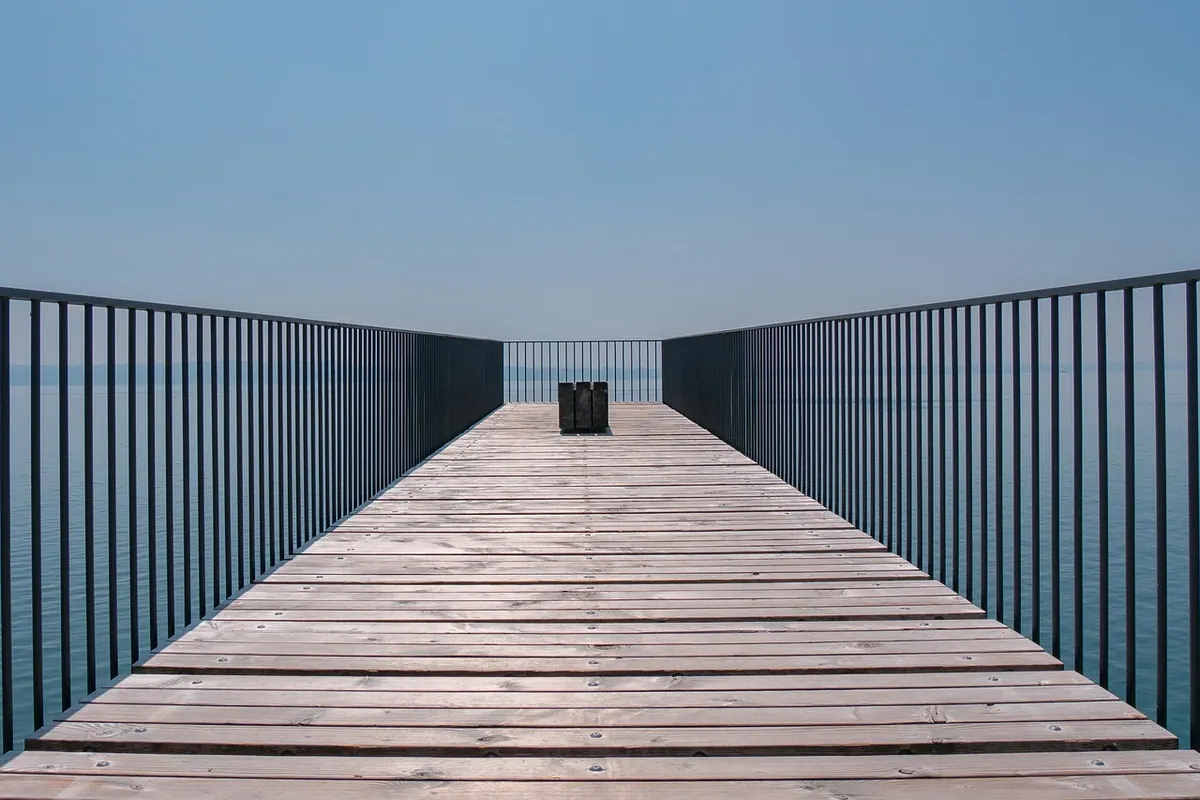
Plan around low tide, arrive early, and pick one stretch rather than trying to cover the whole harbor. Start at a high viewpoint or the end of a public pier, scan the water and breakwaters, then walk slowly along the seawall. Give nesting areas and haul-outs a wide berth. On the way back, check the same spots again; the tide will have changed the picture. If a crowd is gathering around an animal, don’t add to it. Move on and report concerns to harbor staff. The best spring sightings are often brief: a tern hovering, a seal’s head in the channel, a wader flock lifting as one. You don’t need to chase them. Put yourself in the right place at the right tide, keep your distance, and let the harbor do the rest.
Photo: sharkolot / Pixabay